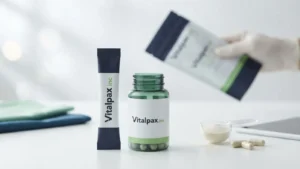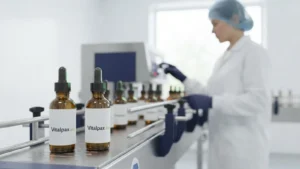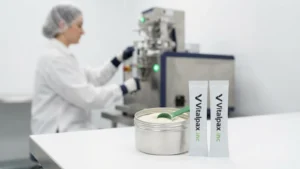


The best supplement contract manufacturers are not the names at the top of a ranked list. They are the ones that answer 12 plain questions about quality, testing, quotes, lead times, paperwork and growth clearly, with proof behind each answer. Ask every candidate the same questions, score what you hear, and choose the partner that fits your stage, your formats and your markets.
Which of the best supplement contract manufacturers is right for your brand?
“Best” depends on who is buying. A founder launching a first SKU needs formulation help, a manageable first run and someone who explains each step. A product or buying manager at an established brand needs steady quality from run to run and audit-ready documents. A distributor needs certificates and export paperwork that hold up at the border.
For all three buyers, five things decide whether a partnership works:
- A proven quality system. cGMP as a daily practice, with current certificates to show for it.
- Testing. Raw materials checked on the way in, finished product checked on the way out.
- Clear paperwork. Batch records and results you can hand to a retailer, Amazon or an importer.
- Dependable timelines. Realistic lead times and early warning when something slips.
- Honest communication. A named contact who replies quickly and shares bad news early.
The 12 questions below cover all five. Ask every manufacturer the same questions, in the same order, so you can lay the answers side by side. Polished sales decks are hard to compare. Twelve answers to the same twelve questions are easy.
A note on where this comes from: this guide is written from the manufacturer’s side of the table. Vitalpax is a cGMP-compliant contract manufacturer in Southern Utah that makes capsules, tablets, softgels, powders, stick packs and liquids for brands under their own labels. These are the questions we think every brand should ask us, and everyone else on their list.
Before you call: what to have ready, and does location matter?
A manufacturer can only quote what you describe. A vague brief gets a vague quote, and vague quotes cannot be compared. Write a one-page product brief and send the same version to every manufacturer you are considering.

What goes in a one-page product brief?
- Formula or idea. A full ingredient list with amounts, or a clear description of the product and who it is for.
- Format. Capsule, tablet, softgel, powder, stick pack or liquid.
- Serving size. Units per serving and servings per container, for example 2 capsules per serving, 60 capsules per bottle.
- Packaging. Bottle, tub, pouch or stick pack, and whether you supply labels or need printing.
- First order quantity. Plus your best estimate of the reorder size after that.
- Target markets. U.S. retail, Amazon, your own website, or export countries. This drives which certifications and documents you need.
- Target launch date. So every manufacturer can tell you whether it is realistic.
U.S., overseas or nearby: does it matter?
Many buyers start by searching for supplement contract manufacturers in the USA, or simply supplement manufacturers near me. Location does change a few things. Here is how the three options usually compare.
| Factor | U.S. manufacturer | Overseas manufacturer | Nearby manufacturer |
|---|---|---|---|
| Oversight rules | Follows U.S. cGMP rules for dietary supplements (21 CFR Part 111) and registers the facility with the FDA | Must meet U.S. cGMP for product sold in the U.S., but local rules vary and on-site checks are harder for you to arrange | Same as any U.S. manufacturer; distance does not change the rules |
| Shipping time to U.S. customers | Domestic freight only | Ocean or air freight plus customs, which adds time and paperwork | Shortest; regional freight or pickup |
| Communication | Same or close time zones | Time-zone gaps and language differences can slow decisions | Easy calls and in-person meetings |
| Visits and audits | A flight or a drive | Long trips, often handled by a hired auditor | Easy to visit, often at short notice |
| Export paperwork | U.S.-made product with U.S.-issued certificates; ask which ones your target countries need | Depends on the country of origin and trade rules between countries | Same as any U.S. manufacturer |
A nearby manufacturer is pleasant for visits. You can walk the floor and meet the team. But proximity matters far less than the quality system and the answers to the 12 questions. A plant two hours away with weak testing is a worse choice than a strong partner a flight away. Use location as a tiebreaker, not a filter.
How should you score each call?
Score each answer from 1 to 5 while you talk, not afterwards. Memory flatters whoever you spoke to last. A 1 means no answer or a dodge. A 3 means a believable answer with no proof. A 5 means a clear answer plus a document, a date or a name. For a weighted scorecard by business stage, see our private label supplement manufacturer checklist.
Questions 1-3: How do I check a manufacturer’s quality system?
cGMP stands for current Good Manufacturing Practice. For dietary supplements in the U.S., the rules are set out in 21 CFR Part 111. In plain terms, they are the daily rules for checking ingredient identity, controlling each production step, keeping batch records and handling complaints. cGMP is a discipline, not a one-time stamp. Our article on why certifications count covers this in more depth.

Q1. Are you cGMP compliant, and can I see your current certificates with dates?
Good answer: “Yes. Here are our current certificates, with the issuing body and the dates.” They arrive the same day or the next, without a long back-and-forth.
Weak answer: “We’re fully compliant,” with nothing to show. Or a certificate that has lapsed. Or a page of logos and nothing behind it.
Check that each certificate covers the facility that will make your product. If you need organic, kosher or halal claims, check that those certificates are current too. Also know the difference between a certification and an FDA facility registration. Registration tells the FDA the facility exists. It is not a quality certificate.
Q2. When was your last outside audit, and what came out of it?
Good answer: a date, the name of the auditor, the findings and how each one was fixed and closed. Every honest facility has findings. What matters is that they are written down and resolved.
Weak answer: “We passed,” with no detail. Or “We don’t really get audited.”
Q3. How do you handle a batch that fails a check, or a customer complaint?
Good answer: a written process with named steps. The batch is held. Someone investigates. A documented decision is made to release, rework or reject it. You are told. Complaints are logged, investigated and linked back to the batch record.
Weak answer: “That never happens.” Things go wrong in every plant. A manufacturer without a process for it has simply not written one down.
Questions 4-6: How do supplement manufacturers test ingredients and finished products?
Testing is where cGMP turns into evidence. Without it, a label is only a promise.
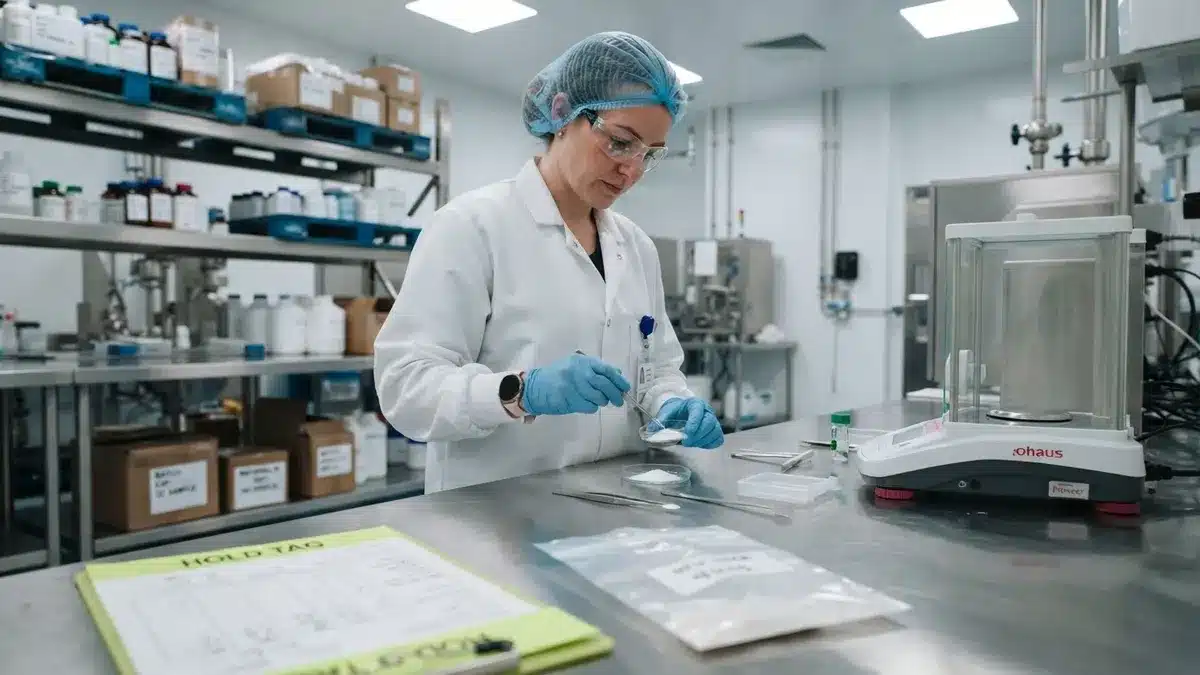
Q4. Do you test every incoming raw material for identity and purity before it is used?
Good answer: “Yes. Every lot is held until it passes identity testing and meets its specification.” Follow up: which tests run in-house, and which go to an outside lab?
Weak answer: “Our suppliers send a certificate of analysis.” A supplier’s certificate is a starting point. A good manufacturer still confirms identity itself before the material goes anywhere near your batch.
Q5. What do you test the finished product for, and do I get the results for each batch?
Good answer: named tests, such as potency of key ingredients against the label, microbial limits and heavy metals, plus a results sheet for every batch you receive.
Weak answer: “We spot-check.” Or results only on request, at a cost that never appeared in the quote.
Q6. Can you trace every ingredient in my batch back to its supplier lot?
Good answer: “Yes, through the batch record.” A simple test: name an ingredient and ask how they would find which supplier lot went into a given batch. The answer should be specific and fast.
Mistake to avoid: accepting “we test at the end” as the whole answer. End testing catches some problems, but it cannot undo a wrong ingredient already blended into thousands of units. Checks have to start at the receiving dock. To see where those checks fit in each format, read our guides to the capsule manufacturing process, the tablet manufacturing process and powder supplement manufacturing.
Questions 7-8: What should a supplement manufacturing quote include, and how do I avoid stockouts?

Q7. What exactly is in this price?
A complete quote lists each of these as its own line:
- Ingredients
- Manufacturing (blending, encapsulating, pressing or filling)
- Packaging: bottles, tubs, pouches, caps, seals, desiccants
- Labels, and who prints them
- Testing: incoming and finished product
- Minimum order quantity
- Setup, sample or formulation costs
- Lead time
- Shipping terms: who pays freight, and where ownership passes to you
Then work out a landed cost per unit for each quote: add every line item plus freight, and divide by the number of units. That is the number to compare, not the headline price.
The trade-off: the lowest quote often leaves out testing, packaging or setup costs that show up later. If Quote A excludes finished-product testing and label printing and Quote B includes them, add those costs to Quote A before you decide. Ask every manufacturer to quote the same line items so nothing hides.
Q8. What is your typical lead time for a first run and for a reorder, and how early will you warn me about a delay?
Good answer: separate numbers for a first run and a reorder, a clear statement of what starts the clock (approved formula, deposit, packaging received), and a named person who warns you early when something slips.
Weak answer: one number for everything, or “as soon as possible.”
A checklist for avoiding stockouts
- Share a rolling sales forecast. Even a rough one lets your manufacturer plan ingredients and line time.
- Set a reorder point. Weekly unit sales × (reorder lead time in weeks + buffer weeks). Example: if you sell 500 units a week, your reorder lead time is 8 weeks and you want 3 weeks of buffer, reorder when stock hits 5,500 units.
- Ask about your key ingredients. Are any single-source or seasonal? What happens if a supplier runs short?
- Approve packaging early. Custom bottles and printed labels can hold up a batch that is otherwise ready.
- Keep a buffer. Plan for one late shipment, not a perfect year.
Questions 9-10: What paperwork should a manufacturer provide?
Q9. Will you review my formula and label before production?
Good answer: “Yes.” That review should cover whether the ingredients work together in your chosen format, whether the serving size fits the container, and whether the label claims and Supplement Facts panel match the formula. Ask whether they track state rules too, such as California AB 660 date label rules.
Weak answer: “Labels are your responsibility.” Legally, many label decisions are yours. A good partner still catches the mistakes before thousands of labels are printed.
Q10. What documents come with each batch, and can you support Amazon or export paperwork?
Good answer: batch records, finished-product test results for each batch, and certificates for the markets you sell in, plus experience with what Amazon and importers ask for.
Why this matters: your brand carries the label, so your manufacturer’s records become your proof. When a retailer, Amazon or a foreign buyer asks for documentation, you need to produce it in days, not weeks.
Tip for distributors and international buyers: ask which certifications your target countries need before you sign. Some markets expect halal or kosher certification, organic claims need organic certification, and import rules vary. Confirm the manufacturer can supply each one.
Questions 11-12: Will this manufacturer communicate well and grow with me?
Q11. Who is my day-to-day contact, and how fast do you reply?
Good answer: one named person and a clear reply time, such as within one business day, plus a backup when that person is away.
Weak answer: a general inbox and “someone will get back to you.”
Q12. Can you run both small and large batches, and make more than one format for me?
Good answer: “Yes, in-house.” You are not moved to another plant as your volumes grow or when you add a powder to your capsule line.
For brands with several products, one partner for several formats saves time every month. One quality agreement. One audit. One contact. One production calendar. Five suppliers means five of each.
Mistake to avoid: choosing a manufacturer that only fits your first order. Switching later means qualifying a new plant, rerunning samples and risking small changes in taste or appearance that customers notice.
Red flags to watch for when choosing a contract manufacturer
- Certificate logos on the website, but no current certificates when you ask.
- No straight answer on testing, or no results for each batch.
- A quote far below the others with no breakdown of what is included.
- Talk of government approval for your product, or promises of results. The FDA does not approve dietary supplements before they go on sale. A manufacturer that says otherwise is either confused or selling.
- Slow or vague replies before you sign. Communication rarely improves after the contract is signed.
One red flag is a reason to dig deeper. Two is usually a reason to move on.
Your next step: print the 12 questions and start comparing
Print this list, one copy per manufacturer. Score each answer from 1 to 5 during the call.
| # | Question | Score (1-5) |
|---|---|---|
| 1 | Are you cGMP compliant, and can I see your current certificates with dates? | |
| 2 | When was your last outside audit, and what came out of it? | |
| 3 | How do you handle a failed batch or a customer complaint? | |
| 4 | Do you test every incoming raw material for identity and purity before use? | |
| 5 | What do you test the finished product for, and do I get results for each batch? | |
| 6 | Can you trace every ingredient in my batch to its supplier lot? | |
| 7 | What exactly is in this price? | |
| 8 | What is your lead time for a first run and a reorder, and how early will you warn me of a delay? | |
| 9 | Will you review my formula and label before production? | |
| 10 | What documents come with each batch, and can you support Amazon or export paperwork? | |
| 11 | Who is my day-to-day contact, and how fast do you reply? | |
| 12 | Can you run small and large batches and more than one format in-house? |
Send the same product brief to every manufacturer you are considering, then compare totals.
How Vitalpax answers these questions
- Quality: cGMP compliant, with a cGMP certificate from SGS, USDA Organic certification through Organic Certifiers, kosher certification and halal certificates for both product and production facility. Our facility is also FDA registered.
- Formulation: in-house R&D and formulation, with access to 7,000+ unique ingredients a year.
- Formats: capsules, tablets, softgels, powders, sachets and stick packs, and liquids from 1 oz to 32 oz fill.
- Scale: large and small batch capabilities on a multi-building manufacturing campus in Southern Utah.
- Beyond production: packaging and private label, international shipping and certifications, and Amazon registration and marketing expertise.
Vitalpax has also received Better Business Bureau accreditation. We would rather you judge us on the 12 questions than on a badge.
Ready to compare? Contact the Vitalpax team with your product brief, and ask us all 12 questions on the first call.
Frequently asked questions
What questions should I ask a supplement contract manufacturer?
Ask about four areas: quality, testing, cost and timing, and paperwork and support. That means current cGMP certificates, the last outside audit, how failed batches are handled, incoming and finished-product testing, traceability, what the quote includes, lead times, label review, batch documents, your day-to-day contact and whether they can scale with you. Ask every manufacturer the same 12 questions in the same order so you can compare the answers side by side.
How do I check a manufacturer’s quality and testing process?
Ask for current cGMP certificates with dates, and the date and outcome of the last outside audit. Then ask whether every incoming raw material is held until it passes identity testing, what the finished product is tested for, and whether you get results for each batch. A good manufacturer answers with named tests and documents, not general reassurance.
What should a supplement manufacturing quote include?
A complete quote lists ingredients, manufacturing, packaging, labels, testing, minimum order quantity, setup or sample costs, lead time and shipping terms as separate lines. Compare quotes on landed cost per unit: all line items plus freight, divided by units. The lowest headline price often leaves out testing, packaging or setup costs.
How can I reduce the risk of stockouts with my manufacturer?
Share a rolling sales forecast and set a reorder point based on weekly sales, reorder lead time and a few weeks of buffer. Ask whether any of your key ingredients are single-source, and approve packaging early so it does not hold up a batch. Choose a manufacturer with a named contact who warns you early about delays.
What red flags should I watch for when choosing a contract manufacturer?
Watch for certificate logos with no current certificates behind them, vague answers on testing, and a quote far below the others with no breakdown. Be wary of any talk of government approval for your product, since the FDA does not approve dietary supplements before sale, and of promised results. Slow or vague replies before you sign rarely improve afterwards.
Are supplement contract manufacturers in the USA better than overseas ones?
Not automatically, but a U.S. manufacturer follows U.S. cGMP rules for dietary supplements and is easier to visit, audit and talk to, with shorter shipping to U.S. customers. Overseas manufacturers can be harder to check in person and add freight and customs time. Either way, judge each one on its answers to the same 12 questions.
How do I find good supplement manufacturers near me?
A search will give you names, but filter them with the same questions you would ask any manufacturer: certificates, testing, quotes, lead times and documents. Being close makes visits easy, yet it matters less than the quality system, so use location as a tiebreaker. Vitalpax is based in La Verkin, in Southern Utah.
What is the difference between a private label and a contract supplement manufacturer?
A contract manufacturer makes a product to your formula and specification. A private label manufacturer makes a product that is sold under your brand name, often starting from a formula the manufacturer helps develop. Many manufacturers do both; Vitalpax offers full service manufacturing as well as packaging and private label.